Key Takeaways:
- Ibiza bookings have doubled year-on-year for the May half-term break.
- Tenerife, Malta, and the Costa Blanca also see significant rises.
- Travel to Turkey, Cyprus, and Gulf destinations has dropped sharply.
- Airlines cancel some flights due to jet fuel shortages, but major tour operators waive surcharges.
- Some EU countries, like Greece, pause EES border checks to avoid delays.
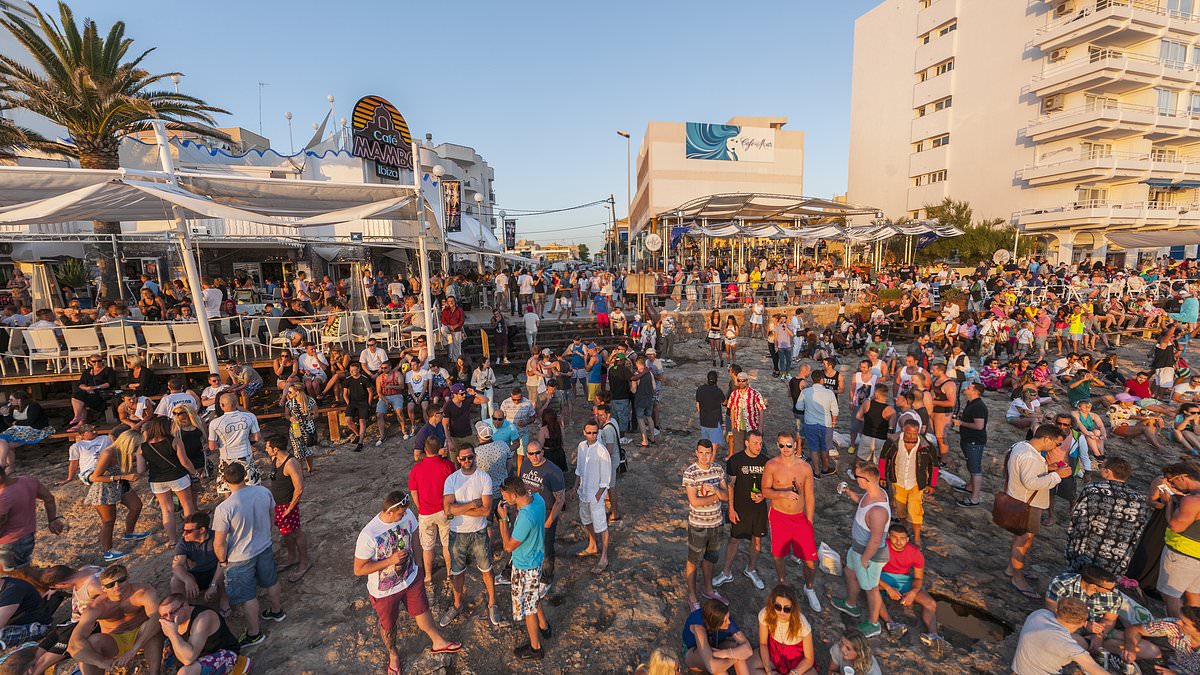
British families are rushing to Spain for the May half-term holidays, with bookings to Ibiza surging by 100 percent compared to last year. The popular Balearic island, known for its lively nightlife and family-friendly resorts, is set to be packed during the last week of May.
This spike comes as the ongoing US-Israeli war on Iran prompts travelers to avoid destinations near the Middle East. According to package holiday firm Lastminute.com, Tenerife bookings are up 48 percent year-on-year, the Costa Blanca up 36 percent, and Majorca up 28 percent. Malta has seen a 51 percent rise, while Portugal's Algarve is up 21 percent.
Travel agents note that families are prioritizing short-haul holidays with reliable weather, quick flights under four hours, and good value. This shift away from conflict-affected areas is reshaping the European travel landscape.
Conflict and Fuel Costs Drive Travel Shifts
The Iran war has disrupted jet fuel supply routes via the Strait of Hormuz, leading to rising costs and flight cancellations. Some 120 flights from the UK have been cancelled in May alone, and airlines like Air France-KLM, EasyJet, and Lufthansa have warned of increased costs or schedule cuts.
However, many major tour operators, including Lastminute.com, have confirmed they will not add surcharges to package holidays this summer. Under UK law, firms can add up to 8 percent to package costs for significant fuel rises, but most are choosing to absorb the costs.
Destinations in Decline
- Turkey: Bookings have dropped, with some hotels slashing prices by 20-25 percent to attract last-minute travelers.
- Cyprus: Searches fell 80 percent after a drone strike near an RAF base in early March.
- Gulf states: Dubai, Saudi Arabia, and Qatar have seen big falls in tourism due to instability.
Zoe Fidler, head of brand at Lastminute.com, said: "British families are prioritising easy, sun-soaked escapes for the May half term break, with classic Mediterranean beach holidays in the sun leading the way."
EES Border Checks Cause Concerns
UK holidaymakers are also warned to expect delays at EU borders as some countries ramp up the Entry/Exit System (EES). This requires fingerprints and photos for non-EU travelers to enter the Schengen Area. Greece has paused EES until September after huge queues, and Portugal and Italy may follow.
Airline and Industry Reactions
- TUI cut its full-year profit outlook, citing extra costs from repatriation efforts.
- Volotea introduced a pricing policy linking ticket prices to fuel costs, potentially adding surcharges of up to €14 per passenger.
- SunExpress imposed a temporary fuel surcharge of €10 per passenger on routes between Turkey and Europe.
Despite these challenges, the trend is clear: Spain and other Western Mediterranean destinations are benefitting from a major shift in British travel patterns. Turkey's tourism minister, Mehmet Nuri Ersoy, noted a "difficult second quarter" ahead, with recovery hinging on a ceasefire.
"Bookings have now shifted to last-minute reservations. As demand falls, competition pressures prices. There's no profitability." — Bulent Bulbuloglu, hotel owner in Turkey.
What It Means for Travelers
If you're planning a half-term getaway to Spain, expect busy beaches and potentially higher prices, but few disruptions. For those heading to Turkey or Cyprus, last-minute deals may be available, but risks remain. The EES system may cause delays at some airports, so arrive early.
Overall, the travel industry is adapting to a new normal where geopolitical tensions and fuel costs shape holiday choices, pushing Brits closer to home.