Key Takeaways
- Progressive Bulgaria, led by former President Rumen Radev, won an overwhelming 44.6% of the vote, securing around 130 seats in parliament.
- The pro-Russian, EU-skeptic party’s victory marks a dramatic shift in Bulgarian politics, with potential implications for Schengen and eurozone commitments.
- Both the EU and Russia have cautiously welcomed the result, but uncertainty looms over Bulgaria’s geopolitical alignment.
A Landslide Win in Sofia
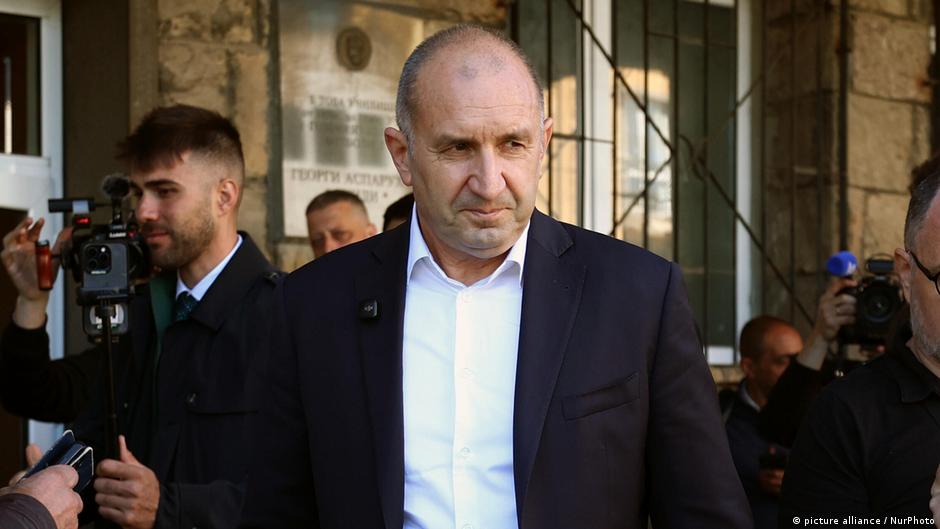
Progressive Bulgaria, the party led by former President Rumen Radev, has secured a decisive victory in Bulgaria’s general election. Official results released Monday show the center-left grouping won 44.6% of the vote, enough to claim about 130 seats in the 240-seat parliament.
This is one of the largest parliamentary mandates in recent Bulgarian history, far exceeding pre-election polls. The win places Radev in a powerful position to form a government—and potentially reshape the country’s foreign policy.
Radev, a former air force general and Bulgaria’s president for nine years before stepping down to run in the election, campaigned on a platform of anti-corruption and economic renewal. But it’s his stance on Russia that has drawn the most attention.
A Win Welcomed by Moscow and Brussels
Kremlin spokesman Dmitry Peskov said Russia was “impressed by the statements made by Mr. Radev,” signaling a potential thaw in relations. European Commission President Ursula von der Leyen also offered congratulations, stressing Bulgaria’s role “in tackling our common challenges.”
“Bulgaria is a proud member of the European family and plays an important role in tackling our common challenges.” — Ursula von der Leyen
Such dual praise highlights the balancing act Radev now faces. While he has called for renewed ties with Russia, he has also officially denounced Moscow’s invasion of Ukraine and promised not to veto EU aid to Kyiv if elected.
What This Means for Schengen and the Eurozone
Bulgaria recently joined the border-free Schengen travel area and adopted the eurozone on January 1, 2026. These were landmark achievements under the previous government led by Boyko Borissov’s GERB party.
- Schengen membership allows Bulgarians to travel without passport checks to most of Europe.
- Eurozone adoption tied the country more closely to the EU’s economic core.
Radev has been critical of EU green energy policies, calling them naive “in a world without rules,” but he has not threatened to reverse these integrations. Still, his vague position on EU solidarity could rattle markets and travelers alike.
The Political Crisis Continues
This was the eighth election in five years for Bulgaria, the EU’s poorest member state. The snap vote was triggered after a conservative-led government resigned in December 2025 amid nationwide anti-corruption protests.
Radev himself acknowledged the public’s exhaustion: “We will do everything possible not to allow us to go to elections again. It is ruinous for Bulgaria.”
Progressive Bulgaria campaigned against what Radev calls the “oligarchic governance model.” The party’s strong win suggests voters are hungry for change after repeated deadlocks.
Who Is Rumen Radev?
At 62 years old, Radev is a seasoned political figure. He served as Bulgaria’s president for nine years, often clashing with Borissov’s governments. Known for his aviation background—he is a former air force general—Radev projects an image of strength and discipline.
- He advocates renewing ties with Russia, including energy cooperation.
- He opposes military aid to Ukraine, though he condemns the invasion.
- He has promised to tackle corruption and restore public trust.
His party’s performance—while not achieving an absolute majority—positions him as the dominant figure in coalition talks.
Borissov’s GERB Party in Opposition
Former Prime Minister Boyko Borissov, whose GERB party had dominated Bulgarian politics for over a decade, trailed far behind with around 15% of the vote. Borissov was visibly subdued while casting his ballot in Bankya, a suburb of Sofia.
“I don’t see who we can enter a coalition with,” he said, adding that GERB would act as “constructive opposition” and focus on national defense.
But Borissov later struck a more resilient tone: “Winning the election is one thing; governing is quite another. Patience is needed.”
His party’s legacy includes pushing Bulgaria into the eurozone and Schengen area, milestones that now stand under scrutiny.
Coalition Uncertainties Ahead
Radev’s party still needs coalition partners to reach the 121 seats required for a majority. Possible allies include smaller left-leaning or populist parties, many of which share his skepticism toward some EU policies.
- A coalition with pro-Russian parties could strain EU relations.
- A broad alliance with centrists might dilute Radev’s promise of radical change.
Negotiations are expected to take weeks. The outcome will determine whether Bulgaria continues its pro-European trajectory or pivots toward a more neutral, Russia-friendly stance.
What Travelers and Expats Should Know
For now, Schengen travel and eurozone membership remain unchanged. Bulgaria’s borders stay open, and the euro is the national currency.
However, political shifts in Sofia could affect long-term stability. Travelers should monitor:
- Any changes to border controls or visa policies.
- Shifts in energy prices that may follow closer ties to Russia.
- Potential protests or strikes during coalition talks.
The Bottom Line
Progressive Bulgaria’s landslide victory marks a turning point for Bulgaria and a test for the EU’s ability to keep its members aligned. Radev’s mix of anti-corruption rhetoric and Russia-friendly policies resonates with voters tired of political gridlock.
Whether this leads to stable governance or more chaos depends on the coalition talks ahead. For Europe, it’s a reminder that even within the EU, geopolitical loyalties are far from settled.
This article was inspired by original reporting from Deutsche Welle. Edited for currency and context.