Key Takeaways:
- Eight EU member states, plus Iceland and Norway, are pushing for EU legislation to restrict Russian tourist visas.
- Schengen visa issuance to Russians hit nearly 480,000 in 2025, the highest since the Ukraine invasion began.
- France, Italy, and Spain—key tourist destinations—could block any measure, complicating the push.
- A potential law might target countries violating human rights rather than singling out Russia.
The Push for Tougher Visa Rules
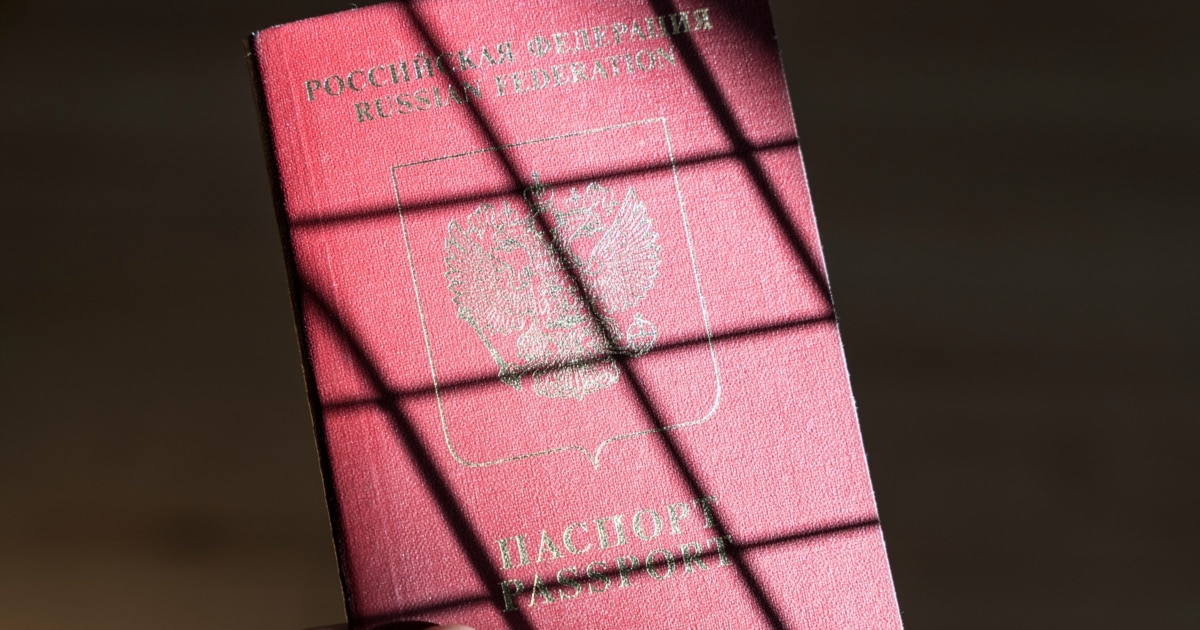
A coalition of European countries is pressing the European Commission to introduce legislation that would make it easier to deny tourist visas to Russian citizens. The move stems from Moscow's ongoing full-scale invasion of Ukraine, which has sparked concerns about the ethics and security of allowing Russian tourists into the Schengen zone.
Sweden will raise the issue at the EU interior ministers' meeting in Luxembourg on June 4. It is backed by the Czech Republic, Denmark, Estonia, Finland, Latvia, Lithuania, and the Netherlands, as well as non-EU Schengen members Iceland and Norway.
The group has also sent a letter to the European Commission, seen by RFE/RL, expressing unease over the increasing number of Russian tourists enjoying leisure travel in Europe while the war in Ukraine continues.
A Troubling Trend
The letter notes that it has been "deeply troubling to witness increasing numbers of Russian tourists enjoying leisure travel on European beaches and in European resorts while missiles and drones continue to strike civilians and civilian infrastructure in Ukraine."
It adds: "This is even more distressing given that thousands of unlawfully deported and forcibly transferred Ukrainian children cannot return to their families."
The urgency is fueled by EU statistics showing that Schengen zone tourist visas issued to Russians in 2025 have reached nearly 480,000—the highest since the invasion began in 2022.
Stalled Legislation: No Quick Fix
Despite the push, no immediate legislation is expected. Changes are unlikely before the summer season, when most tourist visas are granted. Instead, the hope is for a proposal later this year, with adoption potentially in 2027.
But the road ahead is far from straightforward. The three EU countries that issue the most tourist visas to Russians—France, Italy, and Spain—rely heavily on tourism for their economies. Any EU law would need a qualified majority (55% of member states representing 65% of the population), but the sheer size of these three nations means they only need one more ally to block the measure.
A Shift in Strategy
To bypass this obstacle, the coalition may push for general legislation that targets any country violating human rights, rather than singling out Russia. This would allow member states to deny tourist visas to citizens of such countries without explicitly naming Russia—a move that could be harder to block.
So far, the European Commission has only issued guidelines on limiting nonessential travel by Russians. Neighboring states like Estonia, Finland, Latvia, and Lithuania have used these to nearly halt visa issuance, except for humanitarian cases such as opposition journalists, politicians, civil society activists, and those with specific medical needs.
The authors of the letter now want to turn these guidelines into binding EU-wide legislation. They argue:
- "The uneven implementation of these guidelines across Member States leaves much to be desired, as it lacks both solidarity and consistency."
- It "also risks placing Member States in unequal economic positions."
- "A situation in which Member States apply fundamentally different approaches... not only leads to visa shopping but also constitutes a security risk for the entire Schengen area."
Past Measures and Future Moves
In autumn 2022, the EU already tightened Russian access by indefinitely suspending the visa facilitation agreement between Brussels and Moscow. This ended multiple-entry visas, raised the visa fee from around €35 to €90, and introduced stricter documentation and longer processing times.
Separately, Estonia is pushing to ban Russian veterans of the Ukraine war from entering the Schengen zone via extensive blacklists with Europe-wide entry bans.
What’s Next?
The debate highlights a deep divide within the EU: between those prioritizing security and solidarity with Ukraine, and those weighing economic interests from Russian tourism. With the summer season approaching, travelers and expats should watch for updates on visa policies, especially if they plan trips involving Russian passport holders.