Key Takeaways:
- EES biometric checks at Copenhagen Airport cause hour-plus queues for non-Schengen arrivals.
- Passengers report slow processing, even with few people ahead, due to individual fingerprinting and photos.
- Police acknowledge delays but say rollout is going well; average wait times remain undisclosed.
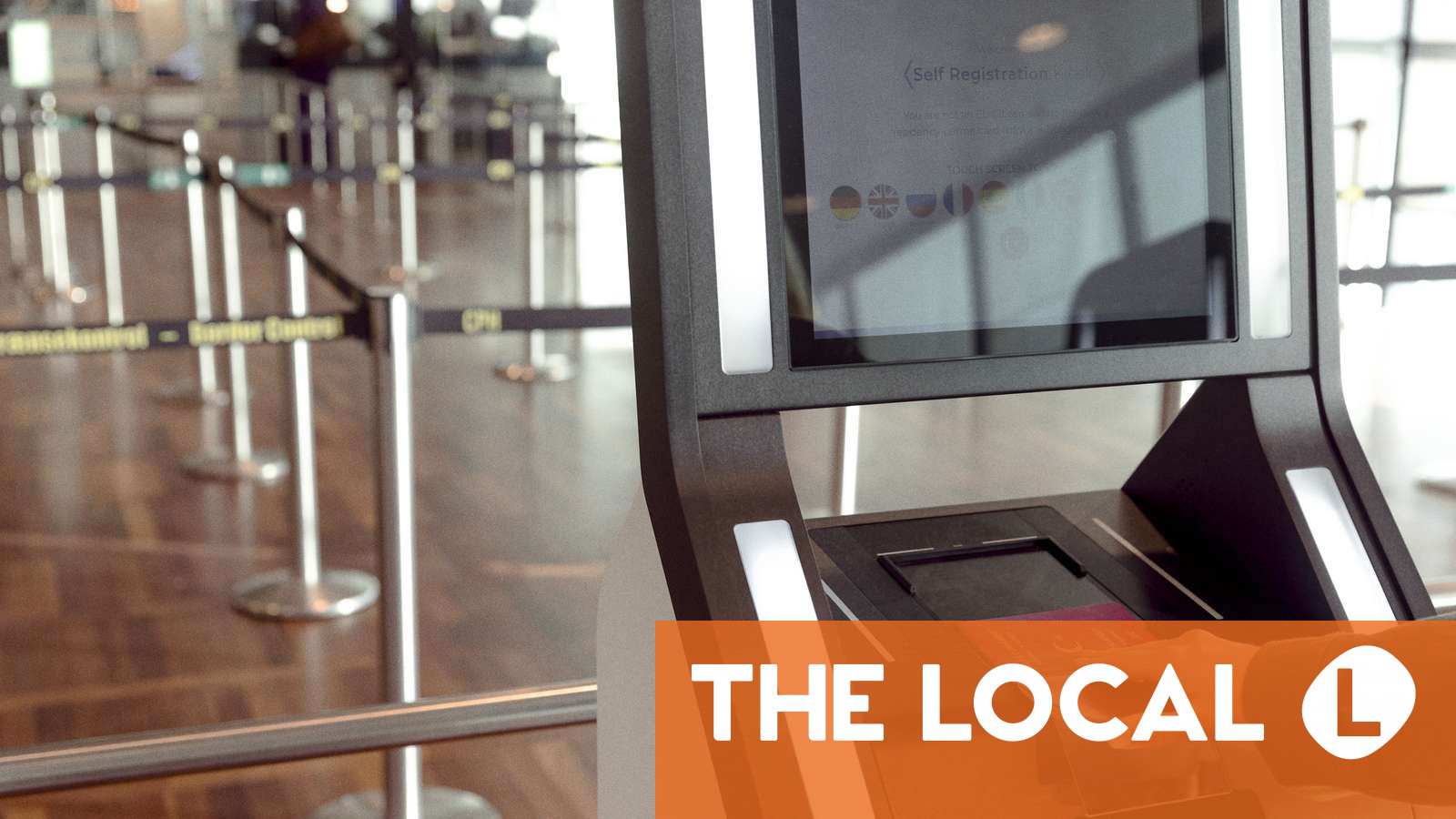
More than six months after EES biometric border checks began at Copenhagen Airport, passengers are still reporting queues of longer than an hour just to get through passport control. The new system, which fingerprints and photographs non-EU travelers from outside the Schengen Area, was introduced to enhance border security but has led to significant delays.
Frustration mounts as queues persist
Ian Wilkinson, working in the marine industry, arrived in Copenhagen last Friday and faced an hour and ten minutes in the EES queue. "It wasn't an hour and 10 minutes from landing, it was an hour and 10 minutes from getting off the plane, walking all the way down, going down the stairs, and starting to queue," he told The Local. "People were just resigned to it, because the majority of us were Brits, and we're used to queueing, I suppose."
Wilkinson pointed out that the Danish police were only running EES checks at three gates, despite multiple flights arriving simultaneously from outside Schengen. "These planes all arrived on time, so it wasn't like a surprise," he added.
Slow processing even with short lines
Ian Gaze, a computer engineer, said getting his biometrics taken was time-consuming even with only four or five people ahead. "It took a long time, because they had to take each child, each grown-up, and one-by-one, take a picture, and take the fingerprints."
The officer on duty insisted on taking biometrics even from those with residency cards, ignoring complaints that the authorities already had their data on record. This added to the frustration for travelers already familiar with the system.
Police respond to criticism
Copenhagen Airport began EES checks in October 2024 and announced full implementation in April 2025. At that time, police inspector Claus Birkelyng conceded that registration could take "a bit longer" for non-Schengen citizens due to the need to capture biometric data. However, he said police are "in general, happy with the way it has been rolled out."
- What is EES? The Entry/Exit System (EES) registers non-EU travelers each time they cross external borders, collecting fingerprints and photos.
- Why the delays? Each person must be processed individually, which slows down queues, especially during peak arrival times.
What travelers should know
If you're flying into Copenhagen from outside the Schengen Area, prepare for potential waits. The airport advises arriving early, but no specific recommendations on extra time have been provided. The Local has contacted Copenhagen Police for average wait times but has not yet received a response.
- Impact on travelers: Longer queues can affect connecting flights, especially for those with tight schedules.
- Residency card holders: You may still be required to provide biometrics, even if already registered.
Looking ahead
As EES rollout continues across Europe, similar issues may arise at other airports. The system aims to improve border security and track overstays, but passenger experience remains a concern. Copenhagen's situation highlights the gap between policy and implementation.
"It just could have been better," Wilkinson concluded, echoing many travelers' sentiments. For now, patience is key—and planning for extra time at passport control is a must.