Key Takeaways:
- Up to 30 passengers missed a Ryanair flight from Milan Bergamo to Manchester on 16 April due to EES border control delays.
- The new Entry/Exit System (EES) requires UK travellers to register fingerprints and facial scans when entering the Schengen Area, slowing processing times.
- Similar chaos hit easyJet flights earlier in April, with around 100 passengers left behind at Milan Linate.
- Stranded passengers report long queues, lack of airline support, and inadequate compensation.
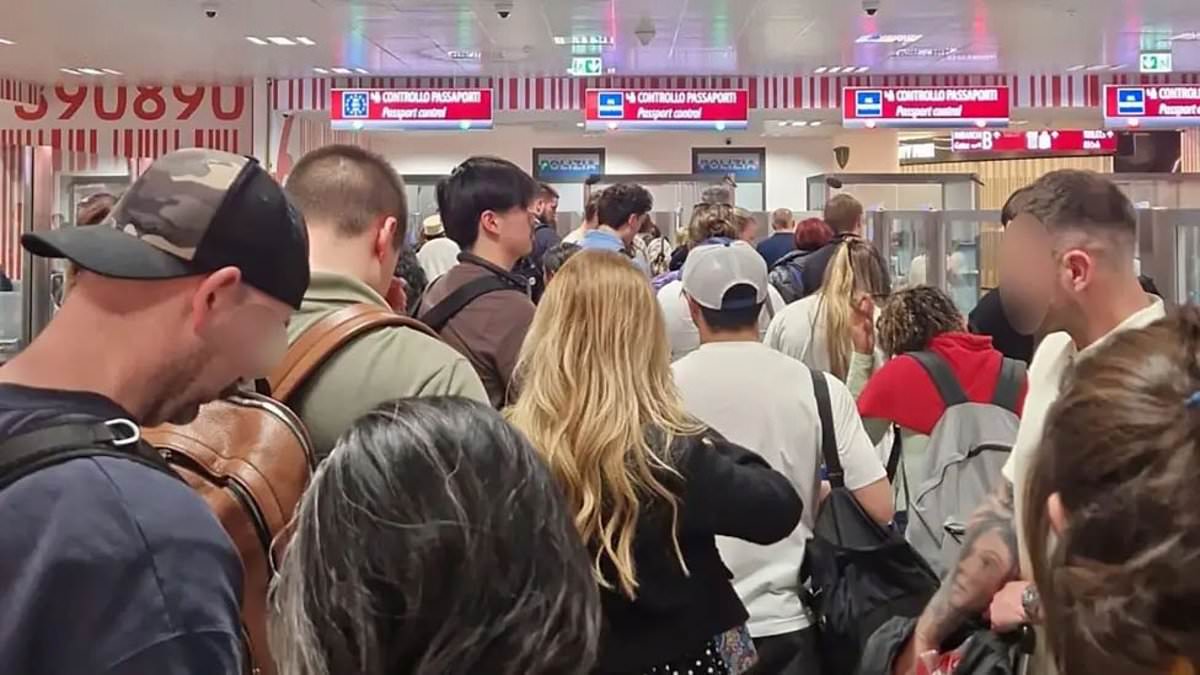
The rollout of Europe’s new biometric border system is causing real-world travel nightmares. On 16 April, a Ryanair flight from Milan Bergamo to Manchester departed without dozens of passengers, who were still trapped in passport control queues.
The incident is the latest in a string of disruptions since the Entry/Exit System (EES) began its gradual implementation on 10 April. The system requires travellers from non-EU countries, including the UK, to provide fingerprints and facial recognition images when entering the Schengen Area.
Passengers Left Stranded in Long Queues
Adam Hassanjee, 18, from Bolton, was one of the affected travellers. He told the BBC: “We were waiting for an hour and a half and weren't moving. Then we see the plane leave and got told we have to go and book our own flight back.”
Ryanair confirmed that delays at passport control were the cause. A spokesperson stated: “Should these passengers have presented at the boarding gate desk before it closed, they would have boarded this flight.” The airline did not specify how many were affected, though local reports suggest around 30 travellers were left behind.
A Pattern of Chaos: Earlier easyJet Incident
This isn’t an isolated event. Earlier in April, an easyJet flight from Milan Linate to Manchester departed with only 30 passengers on board, leaving around 100 travellers stranded. Three-hour queues at border control were blamed, and the situation was described by the airline as “unacceptable” and “outside of our control.”
Kiera, a 17-year-old student, told the BBC she arrived at 7:30 AM for an 11 AM flight but still missed it. “At about 10.50am they brought some water over for people, and when we got to the front of the queue someone asked us if we were going to Manchester, and told us our flight had just gone.” She ended up waiting 20 hours for a replacement flight that landed in Gatwick instead of Manchester, costing her mother £520.
The Compensation Gap
Many stranded passengers are furious about the lack of meaningful support. EasyJet offered Kiera just £12.25 in compensation – roughly the price of a sandwich at the airport. Under EU regulations, airlines are not required to pay compensation when delays are caused by border control, which is considered an “extraordinary circumstance.”
What is EES and Why is it Causing Delays?
EES is an automated system designed to strengthen border security for non-EU travellers entering the Schengen Area. It replaces manual passport stamping with digital registration of:
- Fingerprints
- Facial images
- Entry and exit dates
While the system aims to improve long-term efficiency, its initial rollout has been plagued by technical glitches and staffing issues. Airports in Geneva, Lisbon, and Malta have also reported similar delays.
What Can Travellers Do?
For British travellers heading to Europe this spring, preparation is key:
- Arrive at the airport at least 3 hours before departure – even for short-haul flights.
- Check with your airline about recommended arrival times, as queues could be unpredictable.
- Carry a physical copy of your travel insurance and contact details for your airline.
- Know your rights: If you miss a flight due to border delays, airlines generally have no obligation to compensate you, but they should offer rebooking or assistance facilities.
The Bigger Picture: Freedom of Movement Under Pressure
The chaos in Milan highlights a growing tension between enhanced security and the freedom of movement that has long defined European travel. For UK travellers, the post-Brexit era means extra scrutiny at every entry point. As EES rolls out more widely, similar scenes could become common at other busy airports.
Airports and airlines are under pressure to improve coordination. Milan Bergamo Airport has not yet commented on the recent incident, but travellers are calling for better communication and faster processing before the summer travel surge begins.
The EES system is here to stay, but for now, the message is clear: plan for delays, expect the unexpected, and don’t count on compensation.